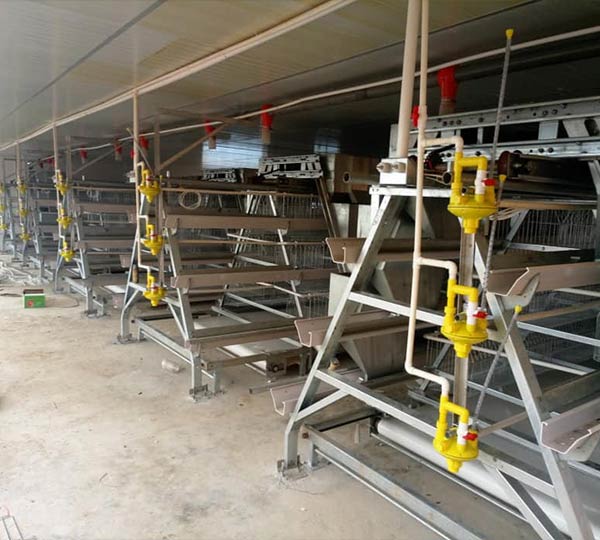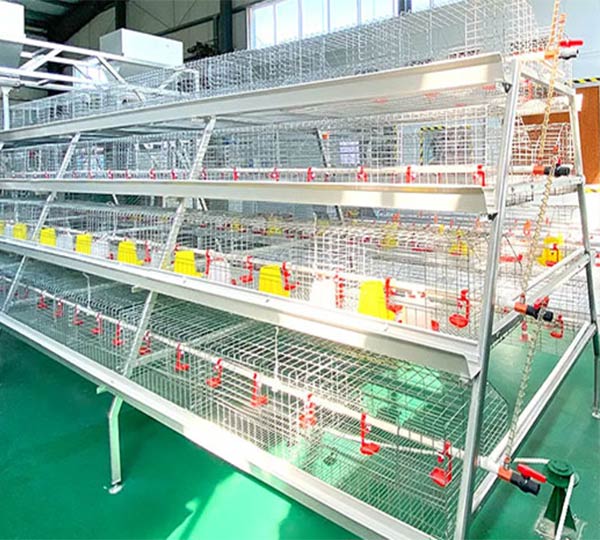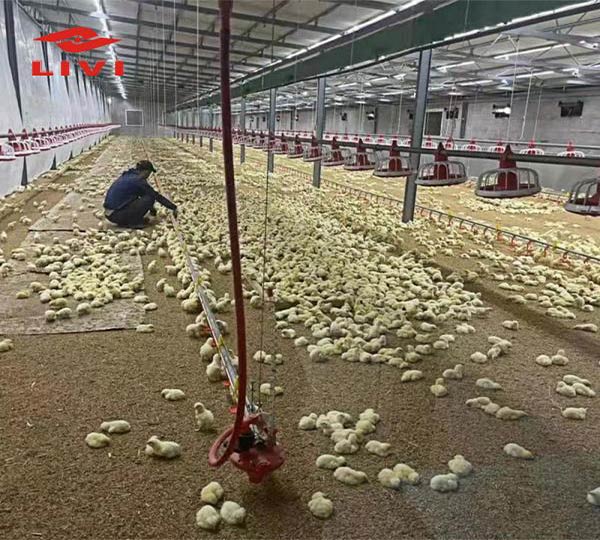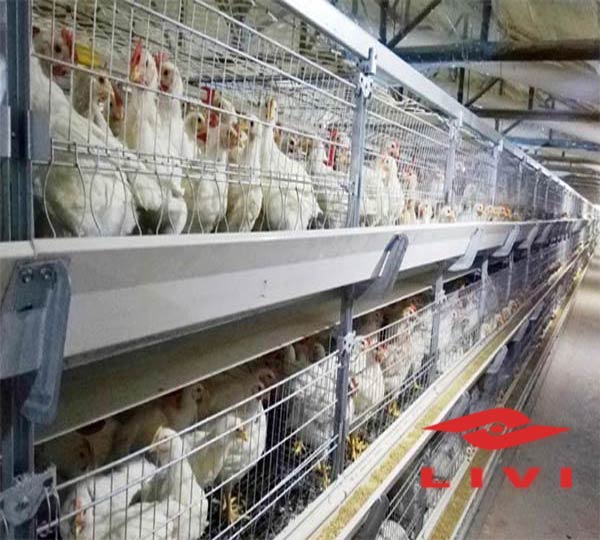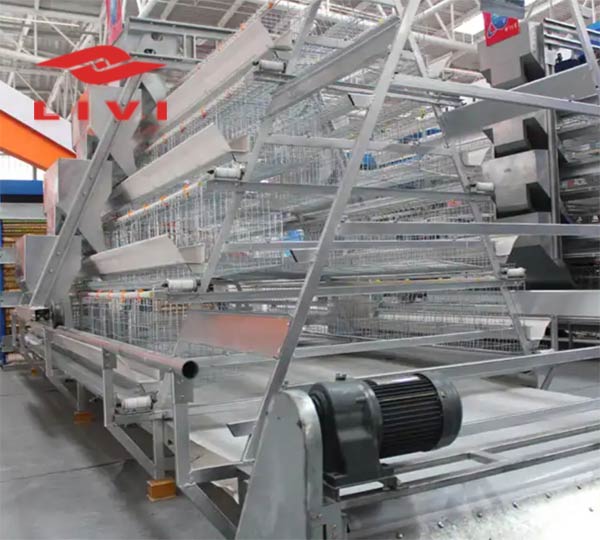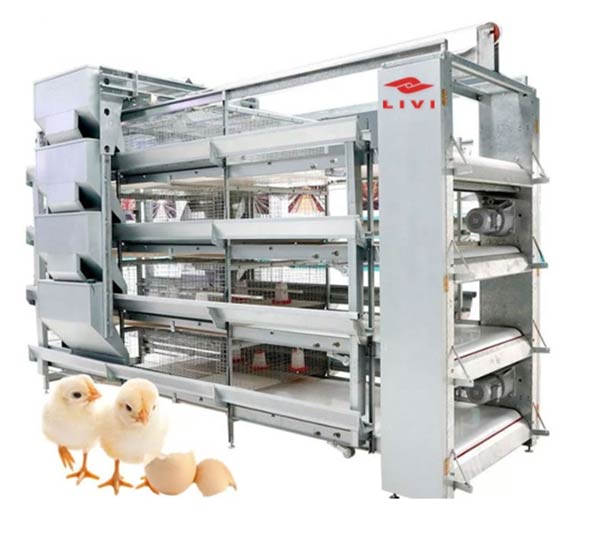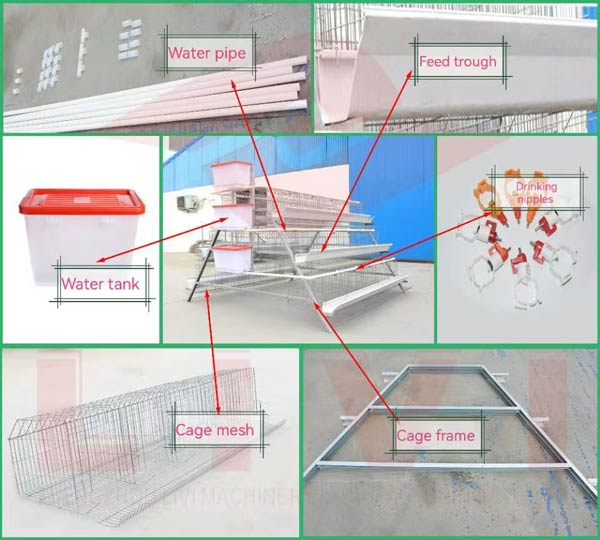



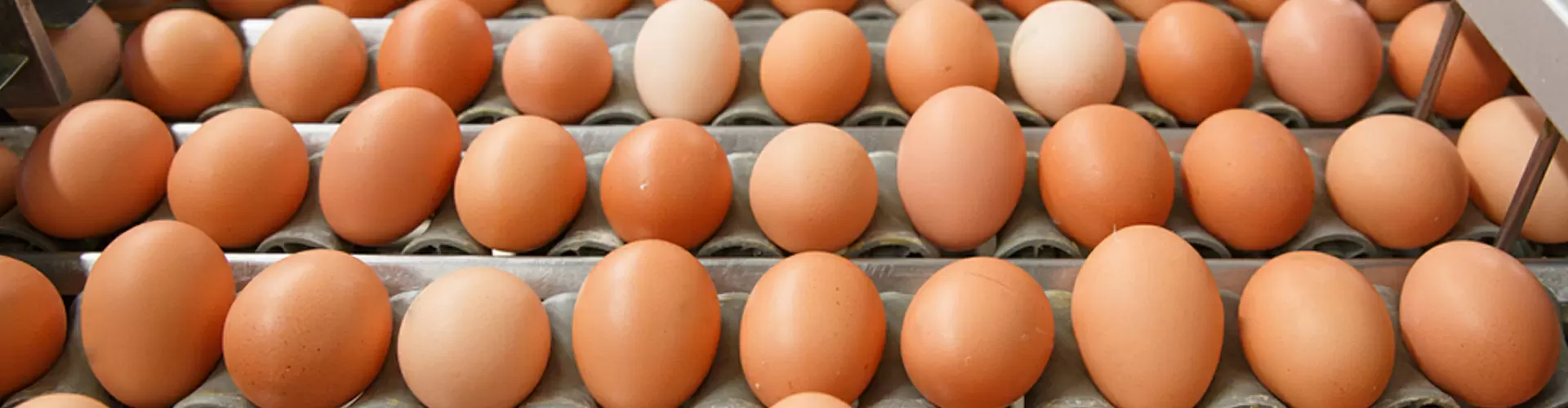

For a commercial poultry farm with 30,000 laying hens in Ethiopia, the recommended solution is a fully automated H type layer cage system combined with automatic feeding, drinking, manure removal, egg collection, and ventilation systems. This configuration improves egg production efficiency, reduces labor costs, protects flock health, and provides a scalable foundation for future farm expansion.
Why Is Ethiopia Becoming an Attractive Market for Layer Farming?
Egg consumption in Ethiopia has been increasing steadily due to urban population growth and improved living standards. Many investors are shifting from traditional backyard poultry to commercial egg production.
Several factors make commercial layer farming attractive:
- Growing demand for fresh eggs
- Increasing commercial poultry investments
- Rising labor costs encourage automation
- Large areas of available farmland
- Government support for agricultural development
However, challenges such as seasonal temperature variations, unstable electricity in some regions, and limited skilled labor require careful farm planning before construction begins.
What Equipment Is Recommended for a 30,000 Layer Farm?
For this project size, an integrated poultry farming solution delivers better productivity than purchasing equipment separately.
| Equipment | Recommendation |
|---|---|
| Layer Cage | H Type Layer Battery Cage |
| Capacity | 30,000 Layers |
| Feeding | Automatic Feeding System |
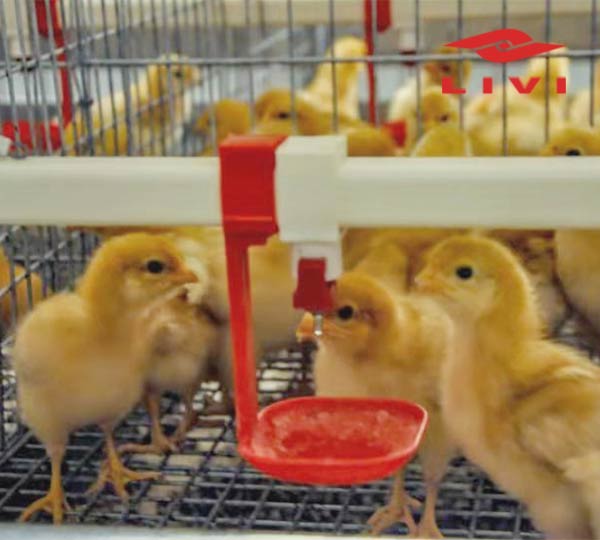
| Drinking | Automatic Nipple Drinking System |
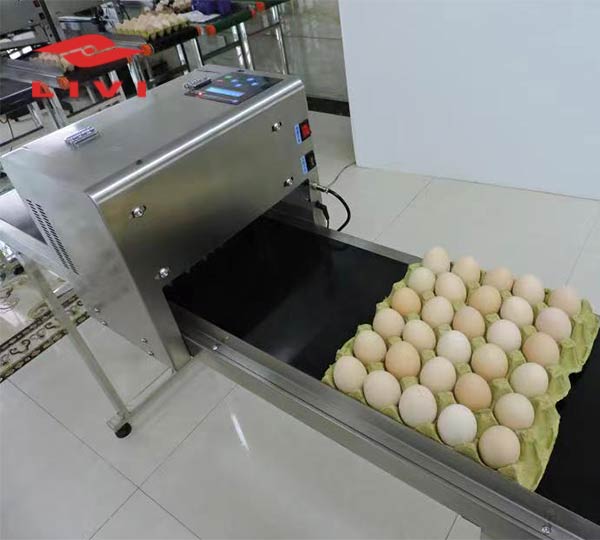
| Egg Collection | Automatic Egg Collection System |
| Manure Removal | PP Belt Automatic Cleaning |
| Climate Control | Fans + Cooling Pads + Air Inlets |
| Environmental Control | Intelligent Controller |
This combination minimizes manual work while maintaining a stable production environment.
Why Choose an H Type Layer Cage System?
For farms with approximately 30,000 birds, the H type layer battery cage system offers significant operational advantages.
Higher Space Utilization
Compared with traditional A type cages, H type cages accommodate more birds inside the same poultry house, reducing land and construction costs.
Lower Labor Requirement
With automatic feeding and manure removal, daily management becomes much simpler. A small management team can efficiently supervise the entire farm.
Better Egg Quality
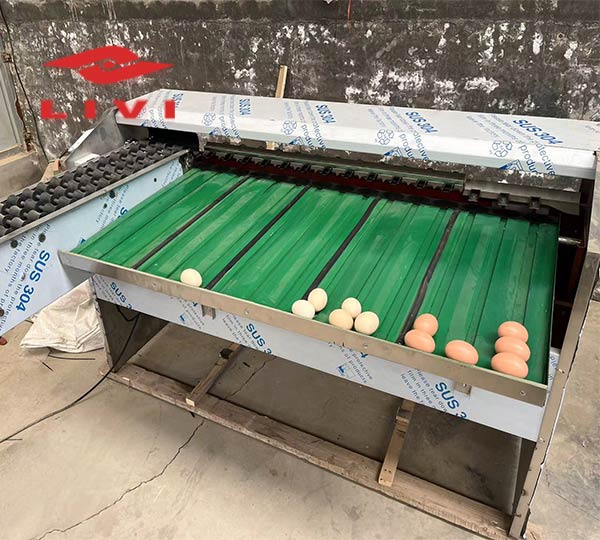
Automatic egg collection helps reduce egg breakage while keeping eggs cleaner before grading and packaging.
Improved Biosecurity
Reduced human contact lowers disease transmission risks and creates a healthier environment for laying hens.
How Should the Poultry House Be Designed in Ethiopia?
Climate conditions vary across Ethiopia. Some regions experience cool highland temperatures, while others remain hot throughout the year.
A proper poultry house should consider:
- Natural airflow direction
- Future farm expansion
- Local power availability
- Rainy season drainage
- Heat insulation
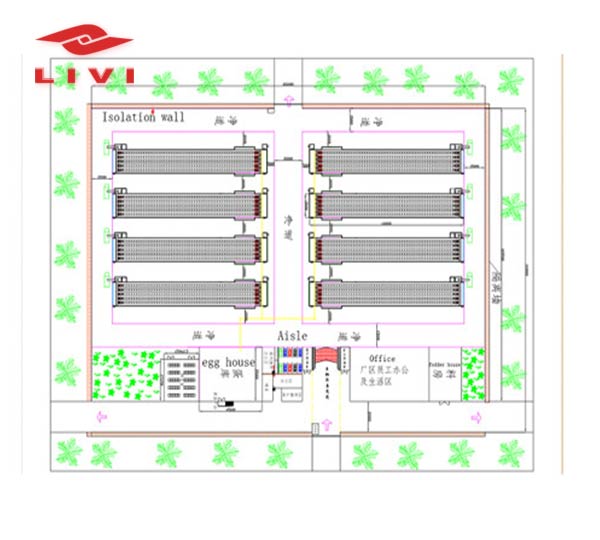
For a 30,000-layer project, a professionally designed steel-structure poultry house with an intelligent ventilation system can maintain stable temperature and humidity throughout the year.
Good environmental control also improves feed conversion and egg production consistency.
Which Automatic Systems Bring the Highest Return on Investment?
Automation is no longer limited to very large poultry farms.
For a 30,000-layer project, the greatest labor savings come from:
Automatic Feeding
- Uniform feed distribution
- Reduced feed waste
- Lower daily labor requirement
Automatic Drinking
- Continuous clean water supply
- Adjustable water pressure
- Improved flock health
Automatic Manure Removal
Regular manure cleaning helps:
- Reduce ammonia concentration
- Improve house hygiene
- Lower disease pressure
- Produce valuable organic fertilizer
Automatic Egg Collection
Automatic egg conveyors reduce handling damage while increasing collection efficiency and shortening daily operation time.
Estimated Project Configuration
| Item | Specification |
|---|---|
| Birds | 30,000 Layers |
| Cage Type | H Type Automatic Layer Cage |
| Cage Material | Hot-Dip Galvanized Steel |
| House Structure | Steel Structure |
| Feeding | Fully Automatic |
| Drinking | Nipple Drinking System |
| Egg Collection | Automatic |
| Manure Removal | Automatic Belt System |
| Ventilation | Fans + Cooling Pads |
| Control | Intelligent Environmental Controller |
The final configuration may be adjusted according to available land, electricity conditions, and customer budget.
What Makes a One-Stop Poultry Solution More Efficient?
Many first-time investors purchase equipment from different suppliers, often leading to installation delays and compatibility issues.
A complete solution offers several advantages:
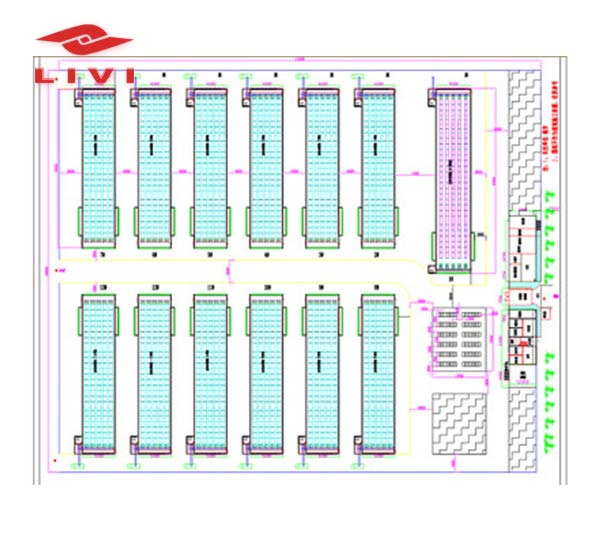
- Customized poultry house layout
- Equipment matched to local conditions
- Transportation planning
- Installation guidance
- Operator training
- Technical after-sales support
Instead of coordinating multiple suppliers, farm owners receive an integrated system designed to operate efficiently from day one.
Why Many Ethiopian Farmers Prefer Automated Layer Farms
Commercial egg production depends on consistency rather than simply increasing flock size.
Automated farms typically achieve:
- Better flock management
- More consistent egg production
- Lower labor costs
- Reduced egg losses
- Improved environmental control
- Easier future expansion
As feed and labor become more expensive, automation helps poultry businesses remain competitive over the long term.
FAQ
How much land is required for a 30,000-layer farm?
The required land depends on poultry house layout, feed storage, manure handling, and future expansion plans. A customized farm design provides the most accurate estimate.
Is an H type cage better than an A type cage?
For commercial farms with 30,000 birds, H type cages generally provide higher stocking density, greater automation, and lower labor requirements.
Can the system operate in areas with unstable electricity?
Yes. Many Ethiopian customers combine the equipment with backup generators or solar-assisted power systems to ensure continuous operation.
Can the farm be expanded later?
Yes. The poultry house and equipment layout can be planned in advance so additional houses or production lines can be added with minimal disruption.